

Why Eating Too Little Can Make Weight Loss Harder
Eating less can help create a calorie deficit, but eating too little can make weight loss harder to sustain. Learn how low calories can affect hunger, energy, training, daily movement, and long-term consistency.

How Much Protein Do You Need for Weight Loss?
Not sure how much protein you actually need for weight loss? Learn a practical daily target, why protein helps with fullness and muscle retention, and how to spread it across your day
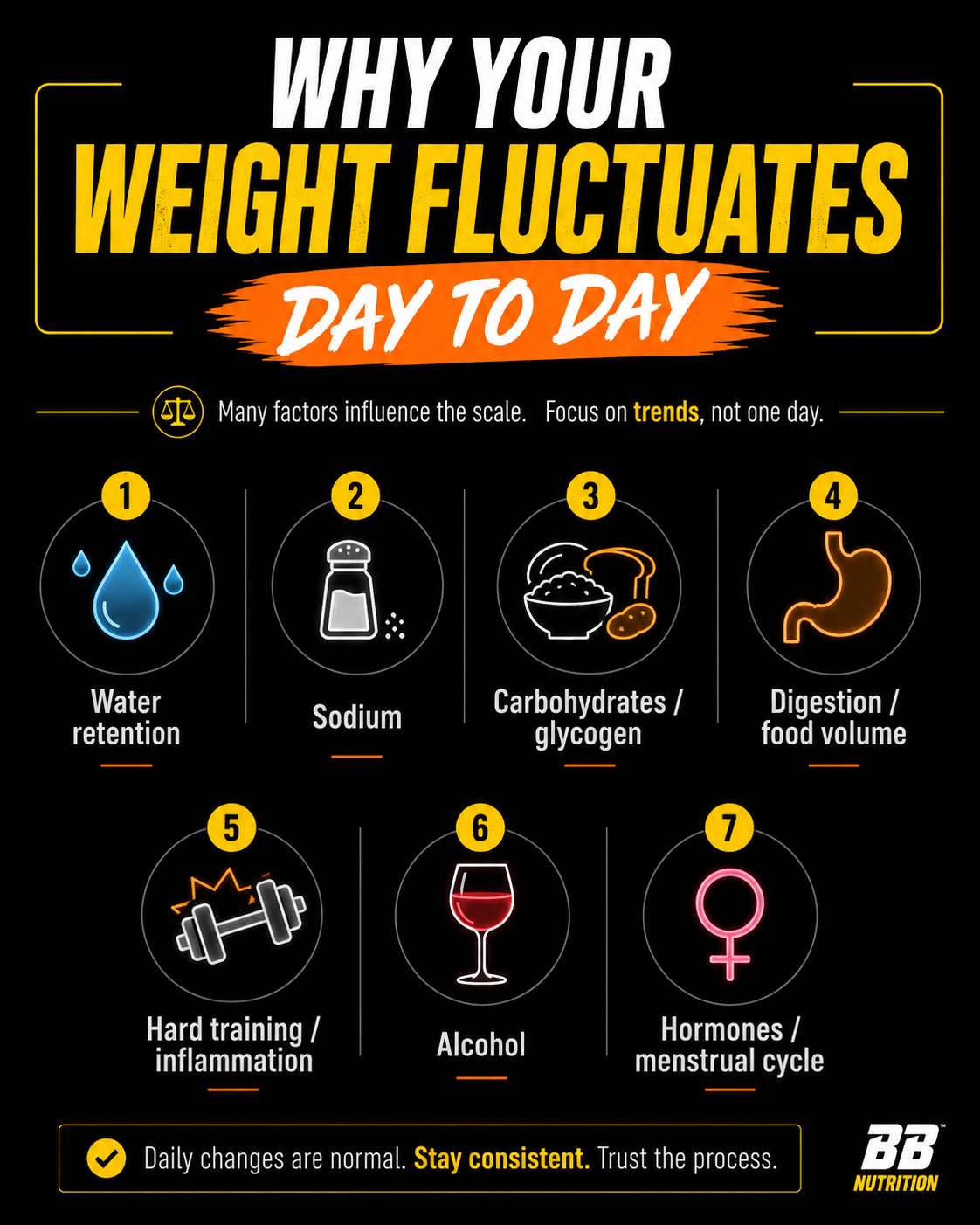
Why Does Your Weight Fluctuate So Much Day to Day?
Seeing the scale jump overnight doesn’t automatically mean you gained body fat. Learn why weight can fluctuate from water, sodium, carbohydrates, digestion, training, alcohol, and hormones — and why your weekly trend matters more than one weigh-in
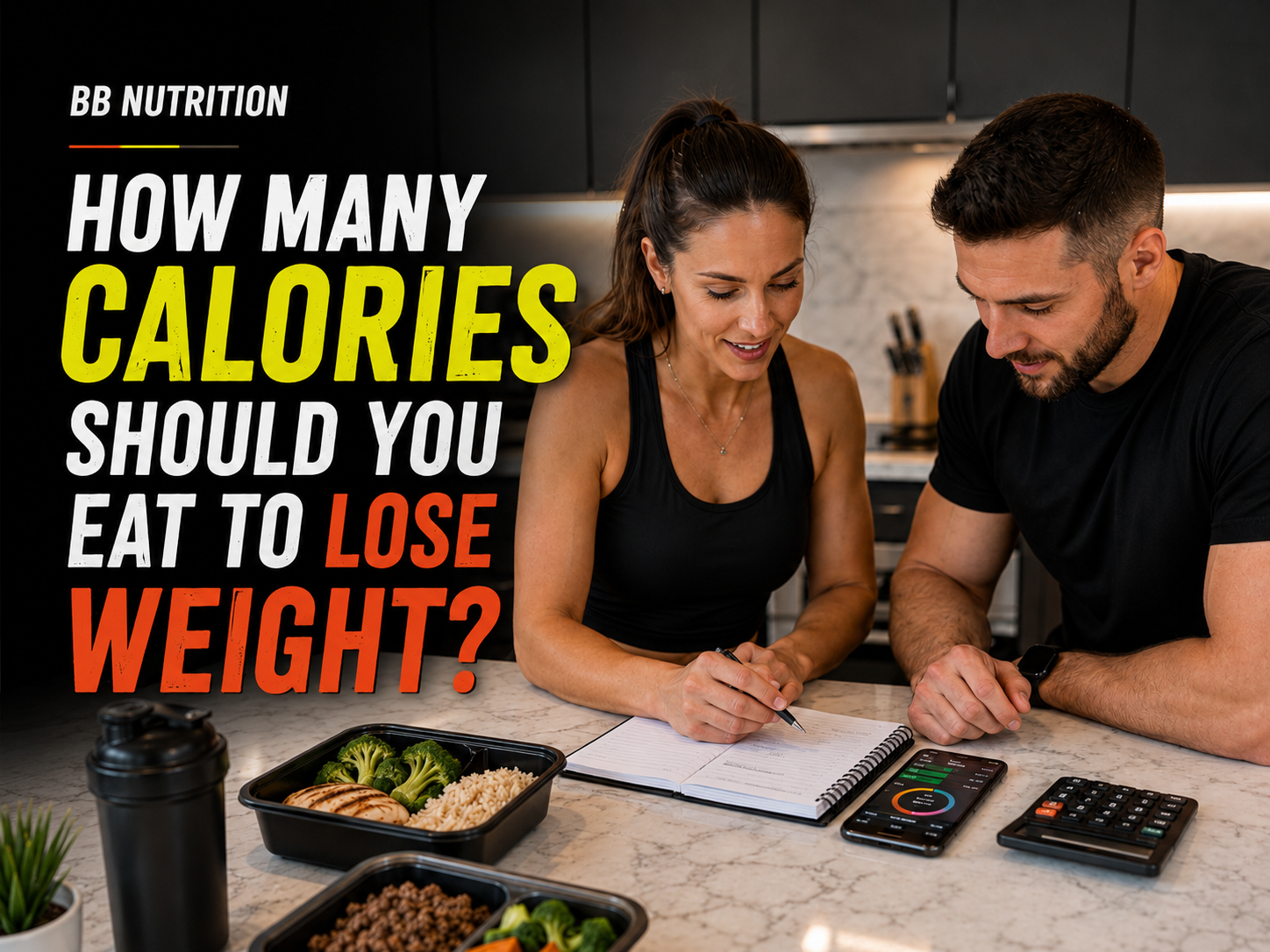
How many calories should you eat to lose weight?
Not sure how many calories you should eat to lose weight? Learn a simple way to estimate your maintenance calories, create a reasonable deficit, and adjust your intake based on your progress
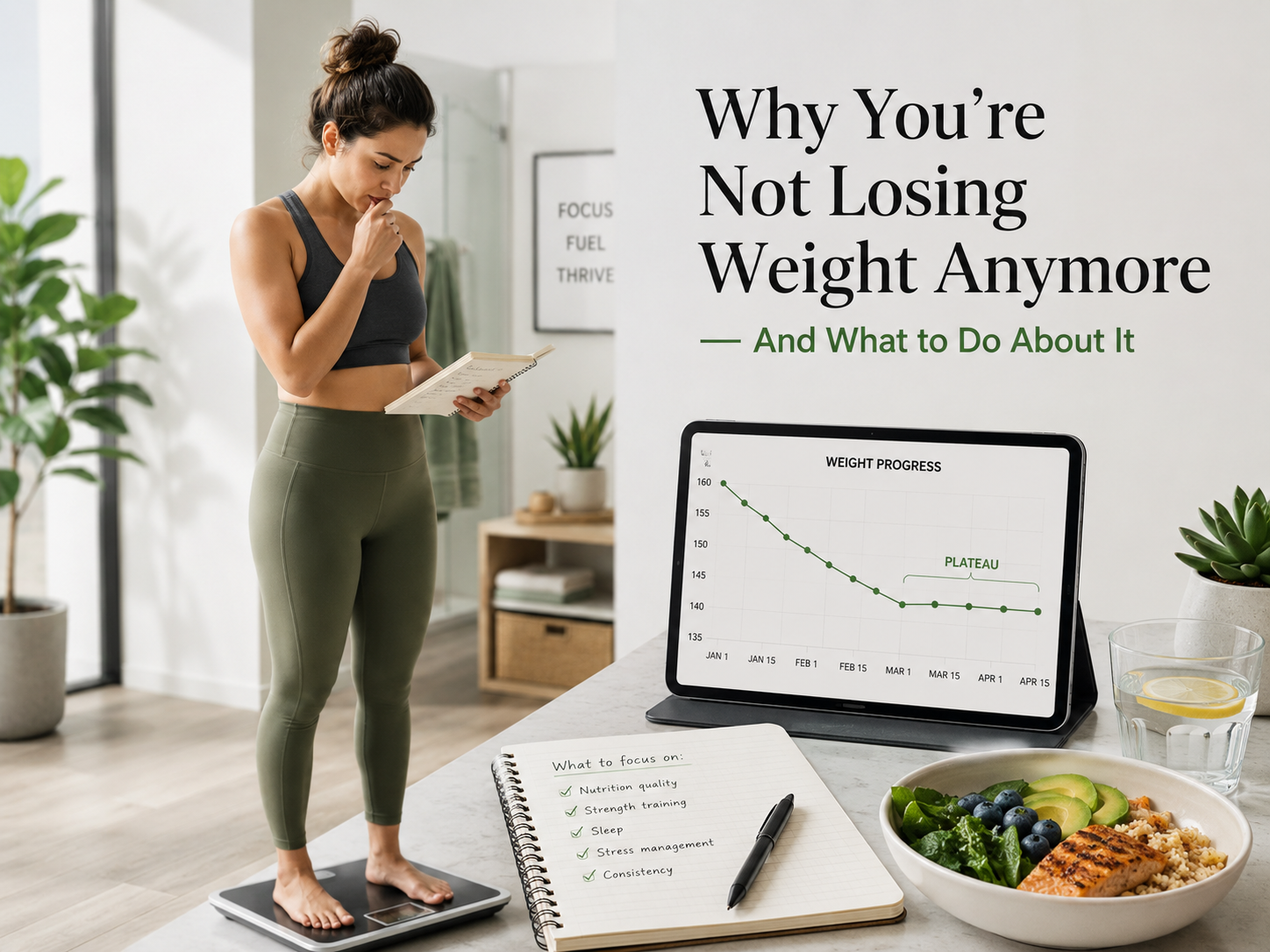
Why You’re Not Losing Weight Anymore — And What to Do About It
Hitting a weight-loss plateau can be frustrating, but it doesn’t always mean your plan has stopped working. Learn the most common reasons progress stalls and the simple adjustments that can help get things moving again.
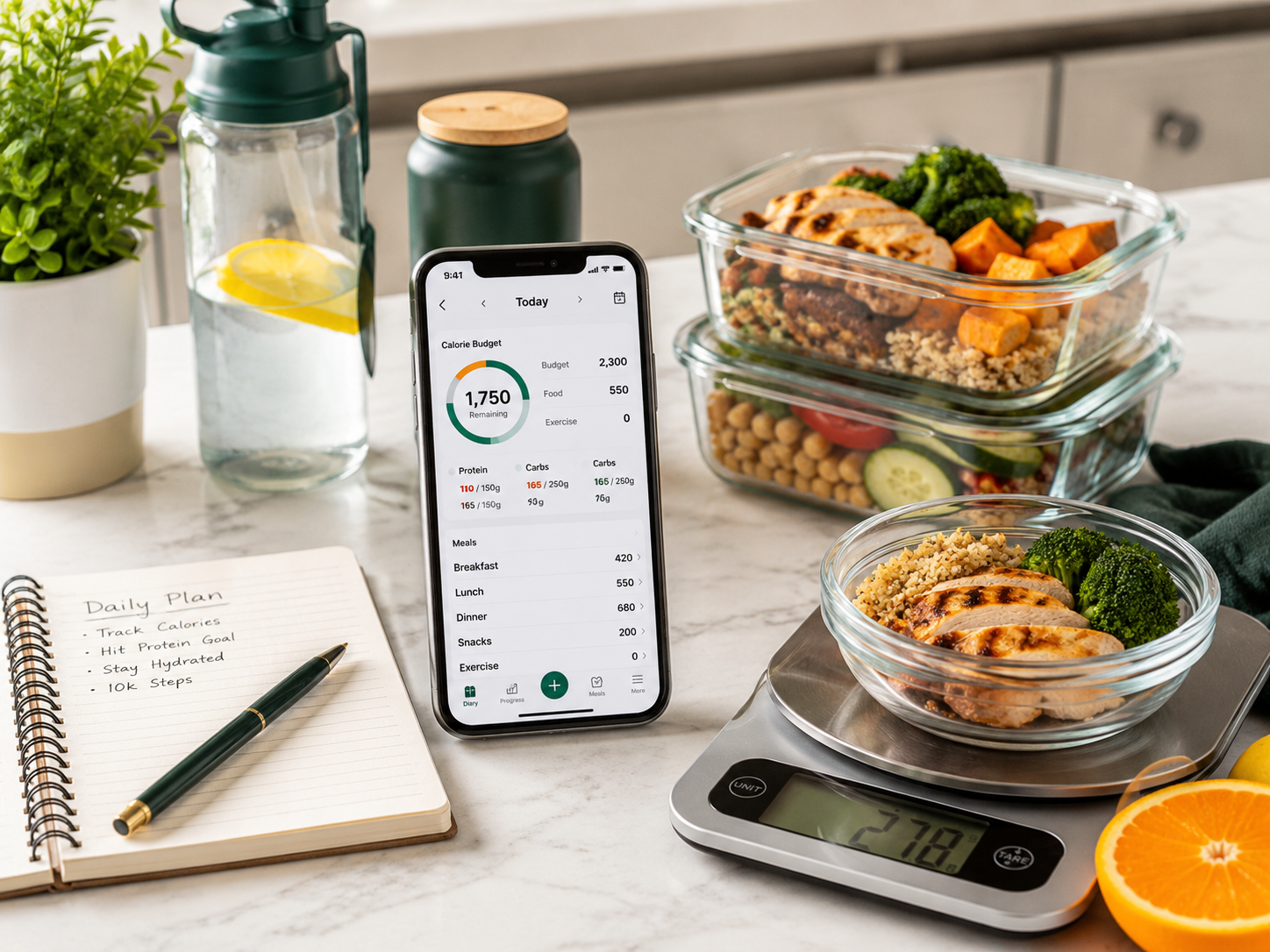
Why Tracking Your Food Intake Can Help With Weight Loss
Food tracking isn’t about being perfect — it’s about becoming more aware of what you’re eating. Learn how tracking can reveal hidden calories, improve accountability, and help you make smarter adjustments for sustainable weight loss.